

Counsel after seizures of cash, vehicles, vessels, aircraft, and business property.
Home › Practice Areas › Asset Forfeiture
Asset Forfeiture Attorneys in Florida
Florida matters only · $175 initial consultation · Phone, video, or in person
✓ Civil, criminal & administrative experience✓ 30+ years of Florida litigation✓ 4.9 stars on Google
Sound familiar?
Forfeiture Is Not the Same Fight as a Criminal Case
help_outline
Agents seized property you need for your mortgage or business?
Property needed to pay a mortgage or keep a business open can stay in government custody while the case proceeds.
help_outline
Not sure what deadlines apply after a seizure?
Deadlines are short and the paperwork is technical, so early counsel matters.
help_outline
You’re an innocent owner or lienholder?
We counsel innocent owners and lienholders whose property is caught up in a forfeiture action.
How Florida law treats asset forfeiture
When a Florida agency seizes cash, a vehicle, a boat, an aircraft, business equipment, or other property, owners often learn that forfeiture is not the same fight as a criminal case. Deadlines are short. Paperwork is technical. And the property that pays the mortgage or keeps a business open can sit in government custody while the case moves.
The Penalta Law Firm counsels Florida clients facing seizures and forfeiture actions under the Florida Contraband Forfeiture Act and related state and federal processes. This page explains how Florida law treats forfeiture, what Floridians should watch for after a seizure, and how counseling can protect property interests while the underlying investigation continues.
Florida’s primary civil forfeiture framework is the Florida Contraband Forfeiture Act, found in Chapter 932 of the Florida Statutes (including sections 932.701 through 932.7062). The Act defines “contraband article,” authorizes seizure in specified circumstances, and sets procedures for notice, hearings, and final forfeiture.
Important reforms took effect after the 2016 Legislature passed CS/CS/SB 1044 (Chapter 2016-179). Among other changes, Florida raised the government’s burden for final forfeiture under section 932.704 to proof beyond a reasonable doubt that the contraband article was used in violation of the Act. Current Chapter 932 does not impose a blanket criminal-conviction prerequisite for final civil forfeiture under the Act. Arrest is generally required before many seizures (with important exceptions, including certain monetary-instrument seizures), and at the final stage the agency must also prove owner knowledge by a preponderance of the evidence. Initial seizure can still happen on probable cause; that is a different, earlier question than final forfeiture.
Those Florida-specific rules matter. National news about “civil forfeiture” often describes systems in other states. Floridians need counsel grounded in Chapter 932, not a generic internet summary.
What can be seized in Florida
Depending on the facts and the statute’s definitions, agencies may attempt to seize:
- Cash and other monetary instruments
- Vehicles, vessels, and aircraft
- Real property in limited circumstances
- Equipment, tools, or other personal property alleged to be used in or derived from qualifying offenses
For Florida boat owners, pilots, ranchers, restaurant operators, and small-business owners, the practical impact is immediate: loss of the asset can stop work, cancel trips, destroy perishable inventory plans, or strand employees even before any trial.
Matters we handle
What Was Seized?
Cash & Monetary Instruments
Seizures of cash and monetary instruments.
Vehicles, Vessels & Aircraft
Seizures of vehicles, vessels, and aircraft.
Real Property
Real property can be seized in limited circumstances.
Equipment, Tools & Personal Property
Property alleged to be used in or derived from qualifying offenses.
Civil, Criminal & Federal Overlap
How civil forfeiture tracks, criminal cases, and federal matters interact.
Deadlines, Notice & Early Hearings
Short deadlines, technical paperwork, and early hearings after a seizure.
Innocent Owners & Lienholders
Counsel for owners and lienholders whose property is caught up in a forfeiture action.
Learn more
Asset Forfeiture in Florida, Explained
Forfeiture counseling often requires separating three threads:
- Florida Contraband Forfeiture Act proceedings in state court under Chapter 932
- Criminal prosecution that may (or may not) proceed alongside the property case
- Federal forfeiture or “adoption” / equitable sharing when a Florida seizure is referred to a federal agency
Federal adoption can change deadlines, forums, and settlement dynamics. Floridians should not assume that stronger state-law protections automatically control if the matter is moved into a federal forfeiture track. Early identification of which sovereign is holding the property is essential.
After seizure, Florida law requires prompt notice and provides paths to challenge probable cause, including an adversarial preliminary hearing in circumstances described in sections 932.703 and 932.704. If no hearing is requested, the court may still review the complaint and verified affidavit for probable cause.
Key Florida timing points owners should calendar (confirm against current statute text and the papers served): mailed notice rights for an adversarial preliminary hearing; generally 15 days after receiving notice to request that hearing in writing; the agency’s duty to promptly proceed (file the forfeiture complaint, generally within 45 days after seizure); and typically 20 days after receipt of the complaint and probable-cause finding to file responsive pleadings. Missing a deadline can forfeit more than property. It can forfeit options.
Missing a notice or hearing window can severely limit options. Owners should preserve every document served at the scene or mailed afterward, note the seizing agency’s name, and contact counsel quickly. Fee-shifting provisions in section 932.704 can apply in limited situations (including certain findings of no probable cause or lack of good faith), but they are not a substitute for timely action.
Florida’s Act recognizes that not every person with an interest in seized property participated in wrongdoing. Innocent-owner concepts, bona fide security interests, and related defenses can be decisive for co-owners, lenders, spouses, and employers whose property was used by someone else. Proof still matters: title paperwork, loan documents, employment policies, and communications about authorized use can become evidence.
For Florida family businesses, the question is often whether the company can survive the time the asset is unavailable. Counseling may include bond or release options where available, negotiation with the seizing agency, and coordinated strategy with any criminal defense counsel so property decisions do not create unintended admissions.
- Large amounts of cash seized during a traffic stop on I-95, the Turnpike, or other Florida corridors
- Vehicles or vessels seized after an arrest on drug, fraud, or theft allegations
- Equipment or accounts tied to a restaurant, marina, dive shop, farm, or other Florida business
- Property seized locally that later appears in a federal forfeiture or equitable-sharing discussion
Each scenario turns on the statute, the agency’s paperwork, and the owner’s documentation. There is no one-size script.
We help Florida clients evaluate seizure notices, calendar statutory deadlines, prepare claims and hearing requests, challenge weak probable-cause showings, assert innocent-owner and lienholder interests, and coordinate property strategy with related criminal or administrative matters. Alexander Penalta’s litigation background includes civil, criminal, and administrative forums, which is often where forfeiture disputes actually live.
This page is educational information about Florida forfeiture concepts. It is not legal advice for any particular seizure. Outcomes depend on facts, statutes, and court rulings in your case.
Call Ava, our Super Intelligence intake assistant and team member, at (386) 847-5335 for brief intake. Ava does not replace the human attorney. Request a paid consultation when needed.
Talk With an Attorney
Tell us what happened and we’ll follow up with your booking link.
Florida matters only · $175 initial consultation · Phone, video, or in person
★★★★★
“I have never met a more competent attorney than Alexander Penalta.”
Cathy Finley · Google review
How it works
Getting Legal Help Shouldn’t Be Complicated
01
Call or send a message
Ava, our intake assistant, answers day and night and sends your booking link.
02
Meet with an attorney
By phone, video, or in person at our Edgewater office.
03
Get a clear action plan
Your initial conference includes a plan tailored to your situation.
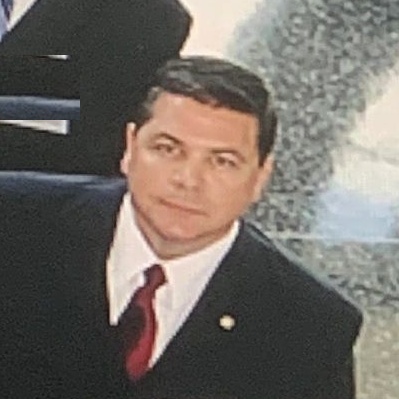
Your attorneys
Where Forfeiture Disputes Actually Live
Alexander Penalta’s litigation background includes civil, criminal, and administrative forums, which is often where forfeiture disputes actually live.
Who we counsel: Florida boat owners, pilots, ranchers, restaurant operators, and small-business owners facing seizures and forfeiture actions.
Client reviews
60+ Google Reviews
A 4.9-star average across our Google Business Profiles
★★★★★
“I have never met a more competent attorney than Alexander Penalta.”
Cathy Finley · Google review
★★★★★
“Amazing Law Firm! They were quick to assist and so incredibly compassionate and kind.”
Tonya Garcia · Google review
★★★★★
“Mr. Penalta is a highly skilled civil and criminal trial lawyer who cares about families.”
Thomas Malcom · Google review
Related Practice Areas
Criminal Defense
Defending business owners and families when charges threaten licenses, lenders, and payroll.
Boating & Maritime
Boating accidents, Jones Act claims, maritime liens, and scuba diving liability.
Aviation & Drone Law
FAA enforcement, Part 107 compliance, drone privacy claims, and drone business contracts.
Had Property Seized? Let’s Talk.
Florida matters only · $175 initial consultation · Phone, video, or in person