

Liquor licenses, DBPR actions, leases, vendor disputes, and guest injury claims.
Home › Practice Areas › Restaurants, Bars & Hospitality
Restaurants, Bars & Hospitality Counsel in Florida
Florida matters only · $175 initial consultation · Phone, video, or in person
Results vary by contract language, venue, and facts. No outcome is guaranteed. This page describes general service areas for counseling; it is not a promise of any particular settlement, license result, or verdict.
✓ Former Florida administrative hearings officer✓ Licensing, contracts & litigation✓ 4.9 stars on Google
Sound familiar?
Keep the Doors Open While Your Rights Are Protected
help_outline
Liquor license facing suspension?
We help with applications, renewals, alleged violations, and proposed suspensions involving alcohol licenses.
help_outline
A guest was hurt on your property?
Guest injuries, slip-and-falls, and security incidents can turn into claims against the business.
help_outline
Insurer denied or underpaid a claim?
Insurance denials are one of the disputes that can put a hospitality business’s continuity at risk.
Hospitality disputes the firm evaluates
Restaurants, bars, hotels, and related hospitality businesses run on thin timing: lease deadlines, vendor credit, alcohol licenses, health inspections, and guest expectations. When a dispute hits—partner fallout, landlord pressure, a vendor breach, an insurance denial, or an agency notice—the legal problem is also a continuity problem. The Penalta Law Firm counsels Florida hospitality owners and operators on business and litigation matters that keep the doors open while rights are protected.
Common Florida hospitality flashpoints include owner or partner and operating-agreement fights; vendor, distributor, and equipment contract breaches; lease defaults, CAM disputes, build-out fights, and eviction threats; alcohol, health, and local permitting actions; guest injury claims and premises liability exposure; insurance denials after spoilage, storm damage, theft, or liability events; franchise and management-company conflicts; and online-review or reputation fights that spill into defamation or contract claims.
Contracts, leases, and day-to-day operations
Menus change; contracts should not be an afterthought. Counseling may include review and dispute work on supply agreements, management contracts, NDAs, non-competes where enforceable, buy-sell provisions, and landlord-tenant files. Early preservation of executed agreements and amendments, text or email threads that modify terms in practice, POS and sales data tied to the dispute period, inspection reports and cure correspondence, insurance policies and claim numbers, and lease files with landlord notices often shapes what options remain.
Matters we handle
What Kind of Hospitality Issue Are You Facing?
Hospitality Disputes
Owner and partner disputes, vendor breaches, lease defaults, insurance denials, and review or reputation fights.
Licensing & Agency Pressure
DBPR issuance, denial, renewal, suspension, revocation, fines, administrative complaints, and emergency suspension orders.
Liquor Licenses & ABC Issues
Applications, renewals, alleged violations, and proposed suspensions.
Dram Shop & Alcohol Service
Exposure tied to how alcohol is served.
Food Safety & Health Code
Inspection findings, temporary closures, and reinspection.
Employment Issues
Wage-and-hour, tip pooling, tip-credit, and classification questions.
Premises Liability & Hotel Issues
Guest injuries, slip-and-falls, security incidents, and ADA accommodation complaints.
Franchise, Vendor & Insurance Conflicts
Disputes with franchisors, management companies, vendors, and insurers.
Learn more
Hospitality Law in Florida, Explained
A proposed license discipline, suspension, or revocation—including action by the Florida Department of Business and Professional Regulation (DBPR) against restaurant, bar, and hotel licensees—can outrun a civil suit. DBPR and related agencies may address license issuance, denial, renewal, suspension, revocation, and disciplinary proceedings; fines and penalties; administrative complaints and hearings; emergency suspension orders; declaratory statements; unlicensed-activity enforcement; competitor-driven complaints; judicial review of final agency orders; and referral to the State Attorney’s Office or the Attorney General’s Office for criminal prosecution. Seasoned counseling aligns administrative defense with business strategy—negotiating corrective action where appropriate and contesting overreach when the record supports it. Do not treat an inspector’s “recommendation” as optional if it is actually a formal notice with a deadline. Licensing and agency process connect to Administrative Law. See the “Administrative hearings experience for hospitality clients” section below for how that background informs agency counseling. Coverage fights connect to Insurance Disputes. Premises matters connect to Property & Liability Disputes. Broader commercial fights connect to Contract & Business Law.
Before private-practice counseling, Alexander Penalta served as a state officer with the Florida Department of Labor and Employment as an administrative hearings officer. That background informs how The Penalta Law Firm prepares restaurant, bar, and hotel clients when a state or local agency investigates, cites, suspends a license, threatens a fine, or moves toward permit revocation—the fight is often won or lost in the administrative process, not only in a courtroom.
Hospitality businesses in Florida often interact with the Florida Department of Business and Professional Regulation (DBPR) and related agencies on licensing and discipline. DBPR’s regulatory toolkit for restaurant, bar, and hotel licensees can include license issuance, denial, and renewal; suspensions, revocations, and other disciplinary action; fines and civil penalties; administrative complaints and contested hearings; and, in appropriate cases, referral to the State Attorney’s Office or the Attorney General’s Office for criminal prosecution. Counseling treats those tracks as business-continuity problems with strict notice and hearing deadlines—not as abstract regulatory theory.
Hospitality-specific DBPR and agency flashpoints the firm also evaluates include emergency suspension orders that can shut a premises on short notice; petitions for declaratory statements that clarify how a statute or rule applies before a costly operating decision; unlicensed-activity enforcement when the agency alleges operating without a required license or permit; competitor-driven complaints that use the licensing process as a business weapon; and judicial review of final agency orders when the administrative record supports taking the fight to court. These tools sit alongside day-to-day license discipline and do not guarantee any particular emergency stay, declaratory outcome, enforcement result, or appellate ruling.
For hospitality owners and operators, that experience translates into counseling on agency enforcement defense; license suspensions, revocations, and disciplinary proceedings against restaurant, bar, and hotel licensees; reading and applying agency rules and regulatory interpretations that affect alcohol, health, occupancy, lodging, and related permits; responses to administrative complaints; preparation for administrative hearings; appeals of administrative decisions when the record supports review; and representation-minded preparation for appearances and negotiations before DBPR, related boards, and other state or local agencies. Related process work also appears on the firm’s Administrative Law practice page.
Seasoned counseling aligns administrative defense with business continuity: assessing the notice packet and deadlines, framing corrective action where appropriate, contesting overreach when the facts support it, and coordinating so statements made to an agency do not create separate civil or criminal problems—including exposure when a matter is referred for criminal prosecution. Results vary based on facts and circumstances. No hearing outcome, license result, fine reduction, or case result is guaranteed.
Alcohol licensing and related agency action can move faster than a civil lawsuit. Counseling may address applications and renewals, alleged Alcoholic Beverage Control or local ordinance violations, proposed suspensions or emergency restrictions, and cure correspondence that carries real deadlines. Bring the full notice packet to counseling—not only the cover page—so strategy can align administrative defense with keeping the doors open. Alexander Penalta’s background as an administrative hearings officer with the Florida Department of Labor and Employment informs how the firm prepares hospitality clients for agency process, notices, and contested administrative proceedings—without guaranteeing any particular license or hearing result.
Claims tied to alcohol service can put the establishment, owners, and insurers in the same fight. Early work often includes preserving POS and shift records, training and ID-check policies, incident reports, and insurance notices. The firm evaluates Florida dram-shop and related liability theories against the facts—without promising any particular coverage or verdict outcome.
Health inspections, temporary closures, and reinspection demands are continuity problems with legal tools attached. Counseling may include responding to inspection findings, negotiating corrective action, contesting overreach when the record supports it, and coordinating public statements so staff do not create separate problems. Do not treat an inspector’s “recommendation” as optional if it is a formal notice with a deadline. That same administrative-law experience shapes how the firm frames inspection and agency correspondence for restaurants, bars, and hotels.
Restaurants, bars, and hotels often face wage-and-hour questions, tip pooling and tip-credit disputes, classification fights, and workplace complaints that spill into agency or civil claims. Counseling can help owners organize payroll and tip records, evaluate exposure, and coordinate specialized employment counsel when a matter requires it. The firm will tell you plainly if a wage or tip matter should be handled with co-counsel or by referral.
Guest injuries, slip-and-falls, security incidents, and related premises claims connect to insurance coverage, lease allocation of risk, and day-to-day operations. Early preservation of incident reports, video, maintenance logs, and claim numbers often shapes what options remain. Premises work also connects to the firm’s Property & Liability Disputes practice page.
Hotels share many hospitality flashpoints and add lodging-specific disputes: guest injury claims on property, overbooking and reservation conflicts, ADA accessibility and accommodation complaints, and security incidents involving guests or the public. Counseling treats these as business-continuity problems with contract, regulatory, and insurance tools attached. Results vary by facts, policies, and venue; no outcome is guaranteed.
Franchise agreements and management contracts can control branding, sourcing, fees, territory, and exit rights. Disputes may involve alleged defaults, termination threats, royalty fights, or competing interpretations of operating standards. Counseling starts with the operative agreements and the amendment history—not only the parties’ recollection of a handshake.
Food and beverage supply, equipment leases, linen and waste contracts, POS vendors, and delivery platforms create recurring breach and payment disputes. Clear contract language, delivery tickets, credit memos, and written change orders matter. When a vendor walks or a platform freezes accounts, early demand strategy and litigation readiness protect continuity while rights are sorted out. Related commercial work also appears under Contract & Business Law.
Spoilage, storm damage, theft, liability claims, liquor liability endorsements, and business-interruption questions often turn on policy language and prompt notice. Counseling may include claim submission strategy, coverage correspondence, and disputes when a carrier denies, delays, or underpays. Related coverage work also appears under Insurance Disputes.
An introductory consultation is a paid consultation. Palm Coast and Boca Raton conferences are telephone or video only. Call Ava, our Super Intelligence intake assistant and team member, at (386) 847-5335 for brief intake. Ava does not replace the human attorney. Request a paid consultation when needed.
Related: Florida Restaurant & Bar Business Disputes · Contract & Business Law · Administrative Law
Talk With an Attorney
Tell us what happened and we’ll follow up with your booking link.
Florida matters only · $175 initial consultation · Phone, video, or in person
★★★★★
“I have never met a more competent attorney than Alexander Penalta.”
Cathy Finley · Google review
How it works
Getting Legal Help Shouldn’t Be Complicated
01
Call or send a message
Ava, our intake assistant, answers day and night and sends your booking link.
02
Meet with an attorney
By phone, video, or in person at our Edgewater office.
03
Get a clear action plan
Your initial conference includes a plan tailored to your situation.
Your attorneys
Administrative Hearings Experience for Hospitality Owners
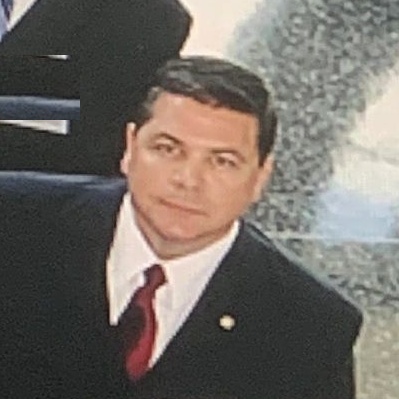
Alexander Penalta, Chief Litigation Attorney and Counselor at Law, served as a state officer with the Florida Department of Labor and Employment as an administrative hearings officer.
Straight answers on scope. When a matter calls for co-counsel or a referral, such as some employment claims, we say so plainly.
Client reviews
60+ Google Reviews
A 4.9-star average across our Google Business Profiles
★★★★★
“I have never met a more competent attorney than Alexander Penalta.”
Cathy Finley · Google review
★★★★★
“Amazing Law Firm! They were quick to assist and so incredibly compassionate and kind.”
Tonya Garcia · Google review
★★★★★
“Mr. Penalta is a highly skilled civil and criminal trial lawyer who cares about families.”
Thomas Malcom · Google review
Related Practice Areas
Administrative Law
DBPR licensing actions, agency investigations, and hearings for Florida professionals and businesses.
Contract & Business
Breach of contract, partnership disputes, commercial leases, and business litigation in Florida.
Insurance Disputes
Denied, delayed, or underpaid property, auto, health, and commercial insurance claims.
Running a Restaurant, Bar, or Hotel? Let’s Talk.
Florida matters only · $175 initial consultation · Phone, video, or in person