

Boating accidents, Jones Act claims, maritime liens, and scuba diving liability.
Home › Practice Areas › Boating & Maritime
Florida Boating & Maritime Law Attorneys
Florida matters only · $175 initial consultation · Phone, video, or in person
✓ 30+ years handling admiralty matters✓ CMAS Scientific Diver✓ 4.9 stars on Google
Sound familiar?
When Maritime Law Applies, You Need an Experienced Attorney
help_outline
Injured on a cruise ship?
Your ticket contract may set where you can sue and impose short deadlines to act.
help_outline
Hurt on the job as a seaman or crew member?
The Jones Act allows seamen to sue employers for negligence, and maintenance and cure may apply.
help_outline
In a boating collision or facing FWC enforcement?
We handle recreational boating accidents, motorboat collisions, and FWC enforcement matters.
Maritime Law Applies Here: And Most Attorneys Don’t Know It
From recreational boating accidents and Jones Act claims to cruise line injuries and maritime liens. The Penalta Law Firm has navigated Florida’s waters and federal courts for over 30 years.
Florida has more registered boats than any other state. Its coastlines, rivers, lakes, and intracoastal waterways touch the waters of the United States at every turn. And yet when something goes wrong on the water (a boating accident, an injury to a crew member, a dispute over a maritime lien) most people end up with a personal injury attorney who has never set foot in federal court on an admiralty case. Maritime law is its own area of law. It operates under a distinct body of federal maritime statutes, general maritime law, common law, and international law, and it doesn’t work the way state court personal injury cases do. The rules are different. The deadlines are different. The jurisdiction is different. And the outcome often depends entirely on whether your attorney understood any of that from the start. If you or someone you know was injured on the water, lost a loved one in a boating accident, or is facing a maritime dispute of any kind, this is what we do.
Do You Need an Admiralty Attorney? Understanding Admiralty Law and Maritime Law in Florida
Alexander Penalta, Esq. has handled admiralty and maritime law matters across Florida for over three decades. He understands federal maritime jurisdiction, the savings to suitors clause, the Jones Act, maintenance and cure obligations, and the rights of injured maritime workers under both federal and state law. He knows when a case falls under maritime law and when state court is the right venue, and he knows how to use that distinction to your advantage. The Penalta Law Firm handles maritime cases for recreational boaters, commercial operators, seamen, cruise ship and cruise line passengers, shipowners, maritime businesses, and anyone whose dispute involves navigable waters. As maritime attorneys, we serve clients across Florida who need a maritime lawyer they can trust in federal and state court alike. Whether your matter belongs in federal court under admiralty jurisdiction or in state court under the savings to suitors clause, we know how to file it right.
Matters we handle
What Kind of Boating or Maritime Issue Are You Facing?
Recreational Boating Accidents
Collisions, wake accidents, capsizing, propeller injuries, and the civil side of boating DUI.
Jones Act Claims
Negligence claims by seamen against employers, including maintenance and cure.
Maritime Injury & Wrongful Death
Personal injury and wrongful death claims, including cruise, crew, and passenger injuries.
Cruise Line Injuries
Claims shaped by ticket contracts that may set venue and short deadlines.
Maritime Liens
Claims attached to a vessel for unpaid services, supplies, repairs, or damage.
Admiralty Jurisdiction
Maritime matters heard in federal court under admiralty jurisdiction.
Scuba Diving & Aquatics Liability
Dive injuries, gear failures, charter contracts, and the scope of waivers.
Collisions, FWC Enforcement & Sailing
Motorboat collisions, FWC enforcement, and sailing liability.
Learn more
Maritime Law in Florida, Explained
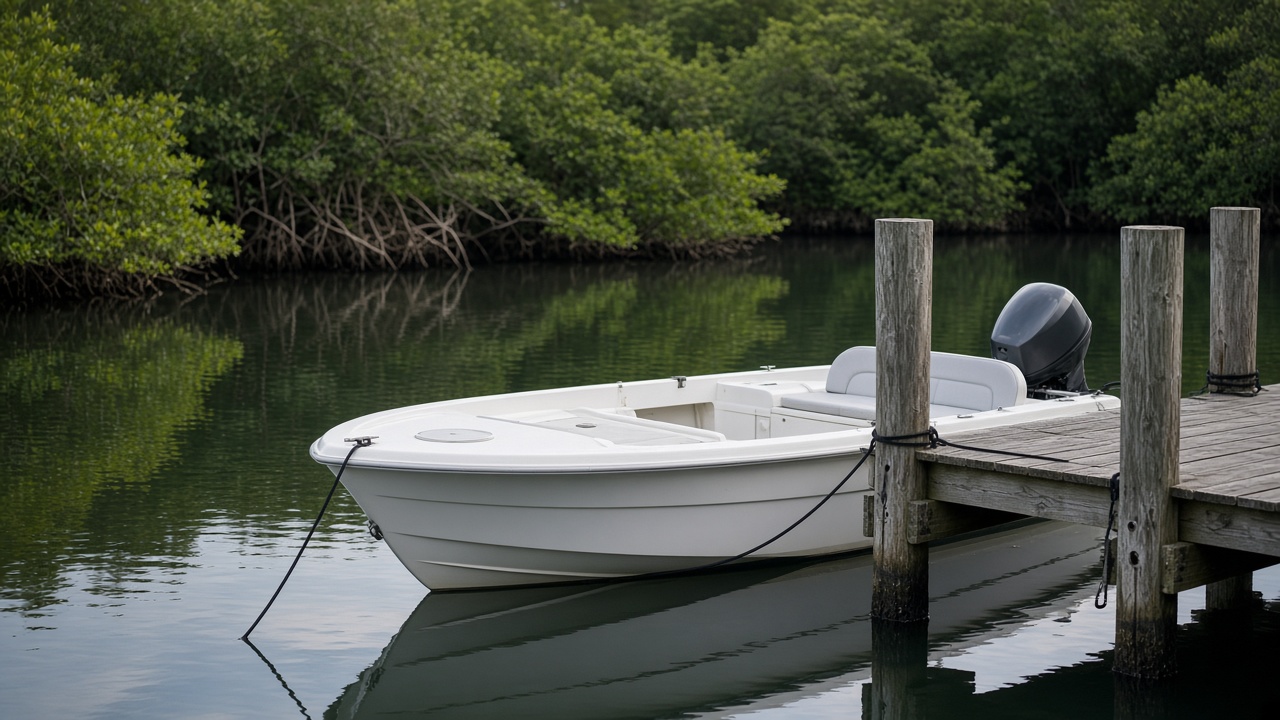
Admiralty law in the United States gives federal courts jurisdiction over maritime matters, any dispute arising on navigable waters and connected to maritime commerce. Florida’s rivers, lakes, coastal waters, and intracoastal waterways are largely governed by maritime law, not state law. Understanding admiralty jurisdiction is the first step in any maritime case, and it determines where your case is filed, what law applies, and what rights you have. Not all maritime activities fall under maritime law automatically, the connection to navigable waters and commerce must be established. Congress regulates admiralty and has done so since the founding. The U.S. Constitution grants federal courts jurisdiction over maritime matters, and the savings to suitors clause preserves the right to bring certain maritime claims in state court as well. Courts of law and equity, federal maritime statutes, and general maritime law all interact in ways that require an attorney who actually knows this area of law.
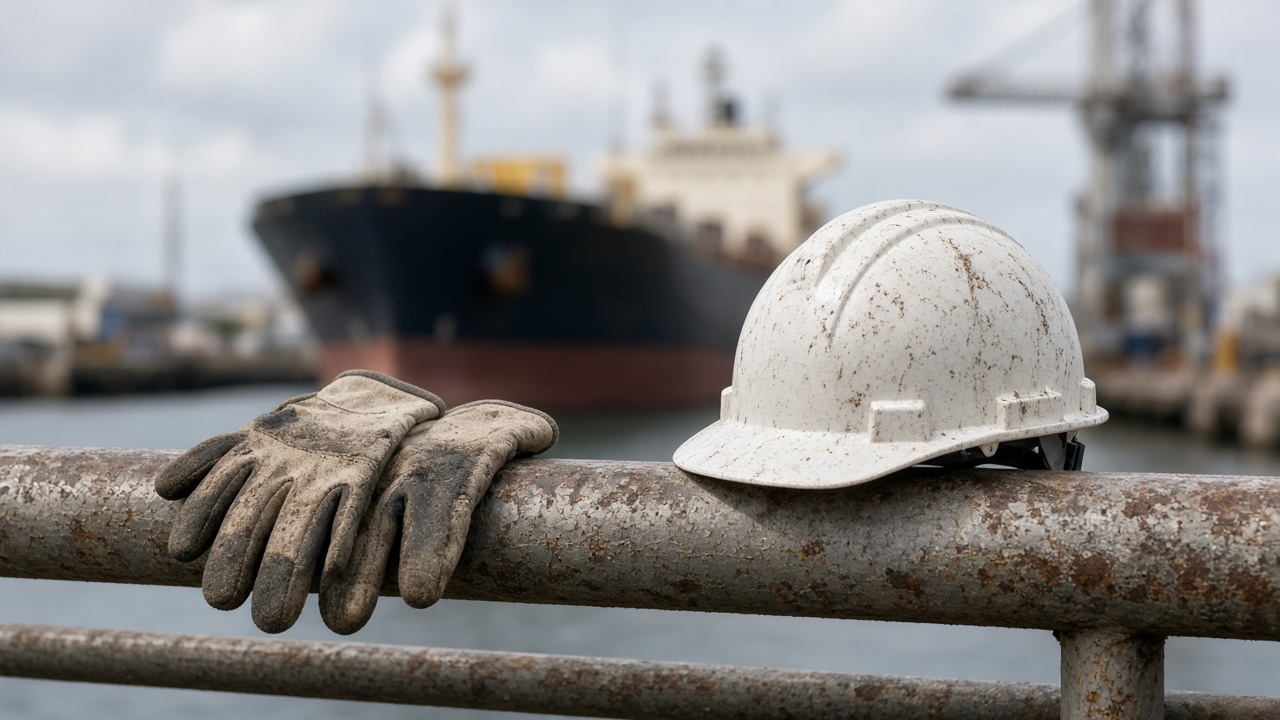
The Jones Act (formally the Merchant Marine Act) is one of the most important statutes in U.S. maritime law. It gives seamen the right to sue their employer for negligence when they are injured in the course of their work. A seaman under the Jones Act is not limited to commercial sailors, the definition is broader and more nuanced than most people realize. If you were injured working on a vessel on navigable waters, you may have Jones Act rights, including the right to maintenance and cure, regardless of fault. Injured maritime workers have different legal rights than land-based workers. They are not covered by standard workers’ compensation. Their claims are governed by federal maritime law, and the deadlines and procedures are distinct from state court personal injury claims. Under US law, maritime law provides specific protections for injured maritime workers that do not exist in standard tort law. Getting this wrong from the start can cost you everything.
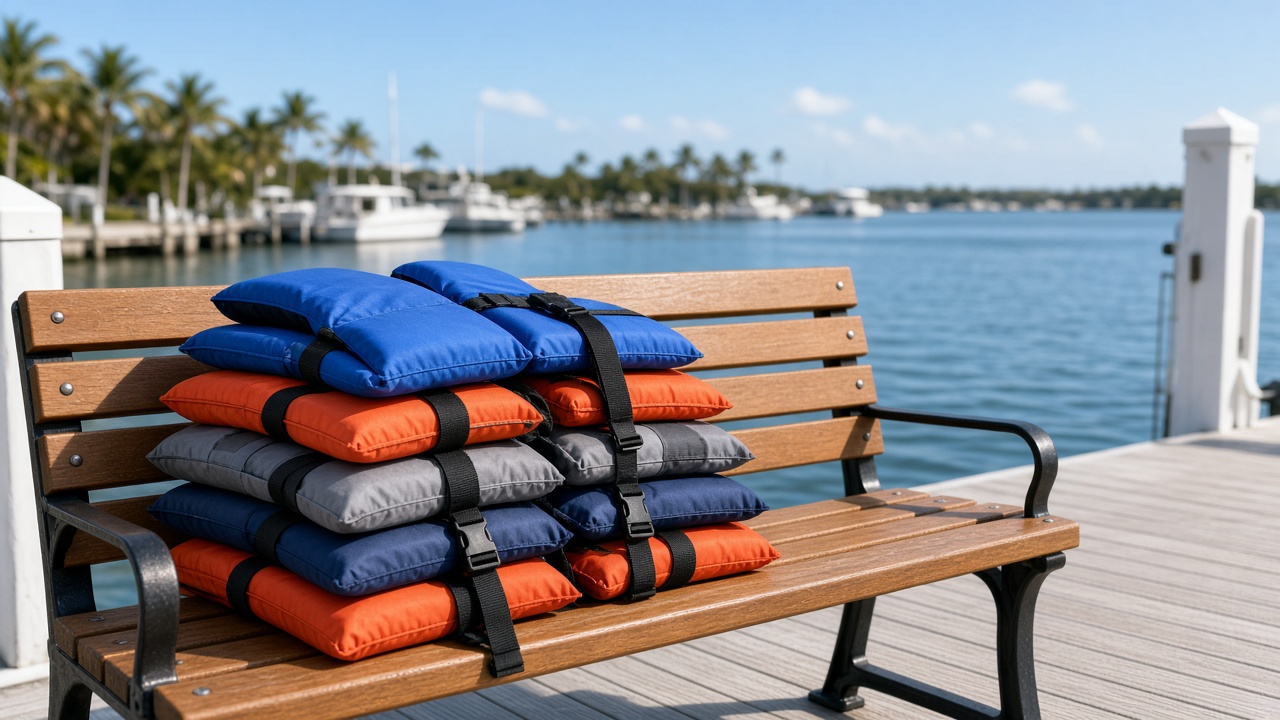
Maritime personal injury claims arise from recreational boating accidents, cruise ship injuries, slip and fall incidents on vessels, and accidents involving crew members or passengers on navigable waters. Wrongful death claims on the water are governed by federal maritime law (including the Death on the High Seas Act where applicable) and require an attorney who understands how damages are calculated differently than in standard state court wrongful death cases. If you were injured on a cruise ship or cruise line vessel, your claim is almost certainly governed by federal maritime law, and your right to sue may be limited by the fine print in your ticket contract, including mandatory arbitration clauses and shortened filing deadlines. These cases require immediate attention.
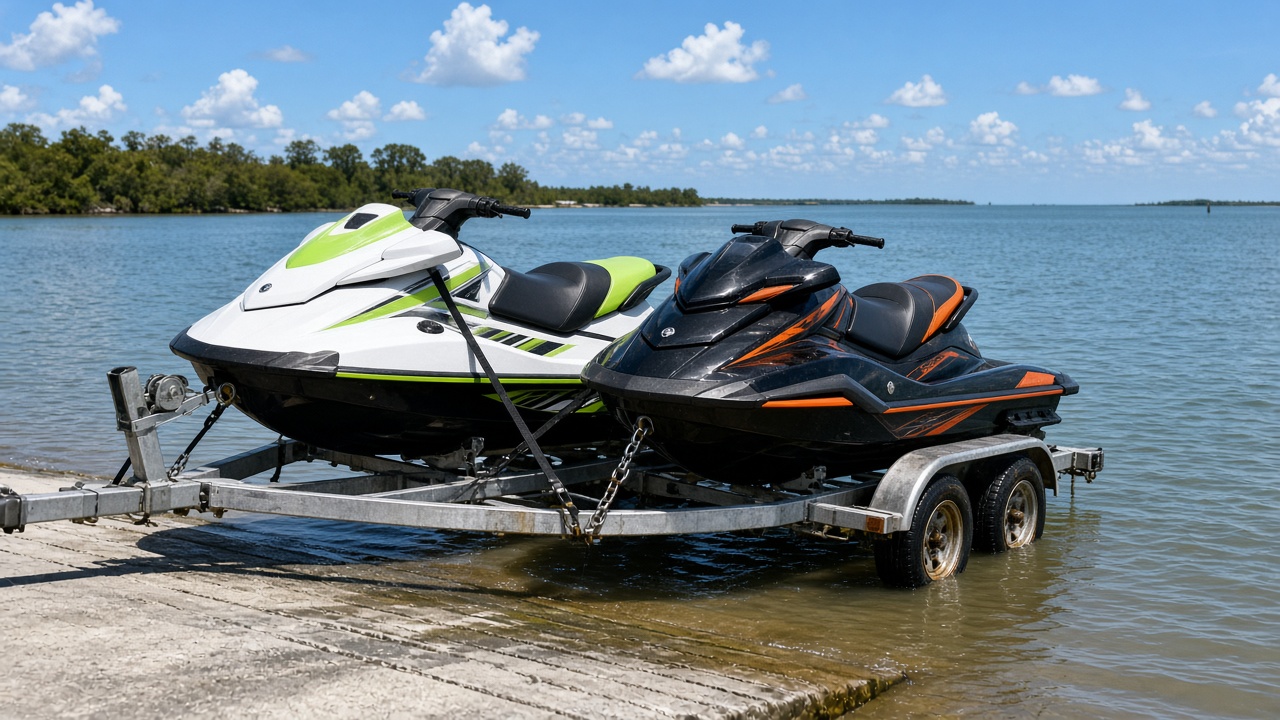
Recreational boating accidents are one of the most common maritime matters we handle. Florida leads the nation in registered vessels and consistently ranks among the top states for boating accidents and fatalities. When maritime law applies to a recreational boating accident depends on the waters involved and the nature of the incident, but in many cases, federal admiralty jurisdiction governs, not Florida state law. Florida’s maritime safety rules and Coast Guard regulations also shape how fault is assessed in these cases. Whether you were involved in a collision, a wake accident, a capsizing, a propeller injury, or a boating DUI incident, the right attorney makes the difference between a case that gets settled for full value and one that gets dismissed on jurisdictional grounds.
Maritime liens are a unique feature of admiralty law, they attach to the vessel itself, not the owner, and they travel with the ship. If you provided services, supplies, or repairs to a vessel and weren’t paid, you may have a maritime lien. If a vessel damaged your property, a maritime lien may be the most effective way to secure recovery. Maritime claims involving maritime commerce, cargo disputes, charter party disagreements, carriage of goods by sea act claims, and goods by sea act matters, are all governed by federal maritime law and international maritime conventions. The International Maritime Organization sets standards that shape how these disputes are resolved.
Federal admiralty courts handle maritime cases under the jurisdiction granted by Article III of the Constitution. Admiralty jurisdiction includes disputes over vessels, maritime contracts, maritime torts, and matters arising on the navigable waters of the United States. Unlike most federal cases, admiralty cases do not automatically entitle a party to a trial by jury in admiralty, a tradition rooted in the British admiralty courts, where jury in admiralty cases was not available. The savings to suitors clause, however, may preserve that right when a maritime claim is brought in state court. Understanding whether your case belongs in federal court or state court (and which law of the state, if any, applies) is one of the first and most critical decisions in any maritime matter. An admiralty lawyer who gets this wrong costs you time, money, and potentially your entire case.
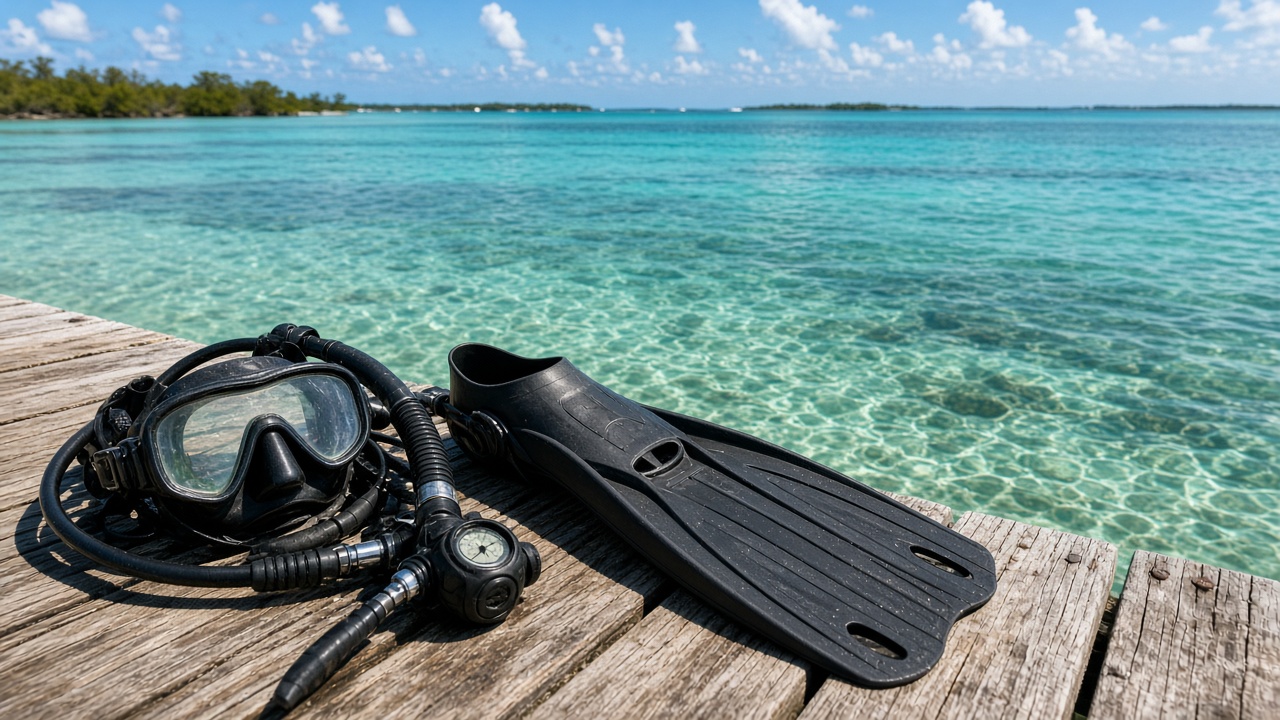
Florida scuba and dive-charter disputes often intersect vessel operations, equipment maintenance, training credentials, and insurance conditions. Dive injuries, propeller and pickup incidents, gear failures, and charter-contract fights require practice-focused fact development, not a land-based personal-injury template.
The Penalta Law Firm counsels Florida divers, families, shops, and charter operators on civil scuba and aquatics liability with a litigation-ready approach. Seasoned counsel sorts recreational charter vs. private boat vs. shore entry, rental vs. personal gear, and waiver scope early.
Read more: Florida Scuba Diving Liability & Injuries
Recreational motorboat collisions and allisions on Florida waters can trigger civil liability, insurance disputes, and Florida Fish and Wildlife Conservation Commission (FWC) investigation at the same time. FWC contact may lead to civil or administrative penalties and, when facts support it, criminal exposure such as boating under the influence or reckless operation.
Highly experienced counsel treats FWC findings as part of the civil case narrative, citations, witness statements, and charging risk can all affect insurers and settlement leverage. Dedicated counseling maps civil and criminal tracks before incomplete facts harden into a one-sided story.
Sailboat collisions, sail-versus-power conflicts, racing incidents, and crew or guest injuries raise navigation-rule and seamanship questions that differ from pure powerboat files. FWC may still investigate equipment, operation, impairment, and related issues, producing civil/administrative consequences and, in serious cases, criminal charges.
Alexander Penalta, Esq., Chief Litigation Attorney and Counselor at Law, brings practice-focused maritime counseling informed in part by documented offshore sailing training leadership with the United States Naval Academy Professional Development Program, Offshore Sailing Training Squadron (OSTS), Annapolis, Maryland (2010). Training Officer and Commanding Officer/Executive Officer in Training roles aboard Navy 44s. That background is training leadership.
Read more: Florida Sailing Liability, Collisions & FWC
On Florida waters, recreational incidents (motorboat, sail, or dive-boat) can involve FWC civil and criminal enforcement alongside private liability and insurance claims. Concentrated maritime counseling for Florida clients addresses all three tracks. Licensed in Florida and Washington, D.C.
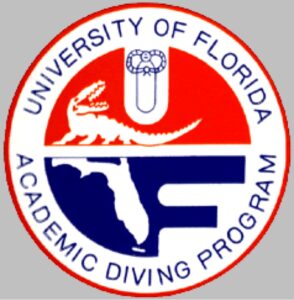
Alexander Penalta brings cave diving certifications through the National Association for Cave Diving (NACD). He served as Assistant Director and instructor for the University of Florida Academic Diving Program (UFADP), which offered semester-long CMAS training (World Underwater Federation, founded by Jacques Yves Cousteau). He holds CMAS Scientific Diver rating number 006 in the United States, also instructed under NAUI. Read more on the Florida scuba diving liability article.
Call Ava, our Super Intelligence intake assistant and team member, at (386) 847-5335 for brief intake. Ava does not replace the human attorney. Request a paid consultation when needed.
Talk With an Attorney
Tell us what happened and we’ll follow up with your booking link.
Florida matters only · $175 initial consultation · Phone, video, or in person
★★★★★
“I have never met a more competent attorney than Alexander Penalta.”
Cathy Finley · Google review
How it works
Getting Legal Help Shouldn’t Be Complicated
01
Call or send a message
Ava, our intake assistant, answers day and night and sends your booking link.
02
Meet with an attorney
By phone, video, or in person at our Edgewater office.
03
Get a clear action plan
Your initial conference includes a plan tailored to your situation.
Your attorneys
Admiralty Experience, on the Water and Below It
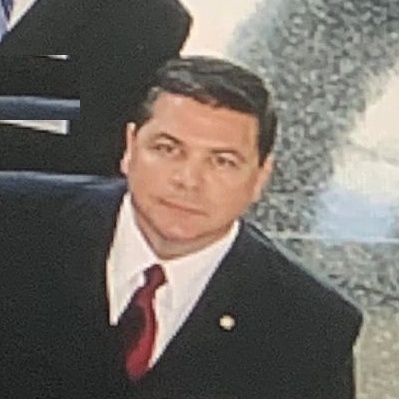
Alexander Penalta, Chief Litigation Attorney and Counselor at Law, has handled admiralty matters in Florida for over three decades.
CMAS Scientific Diver rating number 006 in the U.S. , and former Assistant Director and instructor in the University of Florida Academic Diving Program.
Whether we’re filing in federal court under admiralty jurisdiction or pursuing your maritime claims in state court, we handle the full case. You focus on recovering. We handle the fight.
Client reviews
60+ Google Reviews
A 4.9-star average across our Google Business Profiles
★★★★★
“I have never met a more competent attorney than Alexander Penalta.”
Cathy Finley · Google review
★★★★★
“Amazing Law Firm! They were quick to assist and so incredibly compassionate and kind.”
Tonya Garcia · Google review
★★★★★
“Mr. Penalta is a highly skilled civil and criminal trial lawyer who cares about families.”
Thomas Malcom · Google review
FAQ
Got Questions? We’ve Got Answers
Every situation is different. These answers are general information, not legal advice.
Maritime law (also called admiralty law or admiralty and maritime law) is a distinct body of law governing disputes arising on navigable waters and connected to maritime commerce. It operates under federal maritime statutes, general maritime law, common law, and international law. It is different from standard civil law or state court personal injury law in its procedures, deadlines, damages rules, and jurisdictional framework. Not every attorney understands it, and getting it wrong from the start can be fatal to your case.
Often, yes. Whether maritime law applies depends on whether the accident occurred on navigable waters and whether it had a connection to maritime commerce or activities. Many of Florida’s waterways are navigable waters of the United States, which means federal admiralty jurisdiction may govern your case even if it feels like a routine boating accident. We evaluate this in your initial consultation.
The Jones Act (Merchant Marine Act) gives seamen the right to sue their employer for negligence when injured on the job. It also provides for maintenance and cure (a daily living allowance and medical care) regardless of fault. Injured maritime workers are not covered by standard workers’ compensation, and their rights under the Jones Act are distinct and often more favorable. If you were working on a vessel when you were injured, you may have Jones Act rights.
Maintenance and cure is a foundational right under general maritime law. A shipowner owes maintenance (a daily living allowance) and cure (medical care) to a seaman who is injured or becomes ill in the service of the ship, regardless of fault. It is one of the oldest duties in maritime law. If your employer is denying or delaying maintenance and cure, that is a serious legal matter.
Cruise ship and cruise line injury claims are almost always governed by federal maritime law. Your ticket contract likely contains a mandatory venue clause requiring suit to be filed in a specific federal court, and a shortened filing deadline, often as short as one year. If you were injured on a cruise, contact us immediately. These deadlines are strict and missing them ends your case.
A maritime lien is a privileged claim that attaches to a vessel itself for debts arising from services, supplies, repairs, or damages caused by the vessel. Unlike most liens, a maritime lien travels with the ship regardless of ownership. If you are owed money connected to a vessel, a maritime lien may be your most powerful legal tool, and enforcement happens through federal admiralty court.
Yes. Boating under the influence (BUI) in Florida is a serious criminal offense, and if an accident was involved, there are both criminal and civil dimensions to the case. We handle the civil liability side, including maritime personal injury and wrongful death claims arising from BUI accidents.
Related Practice Areas
Insurance Disputes
Denied, delayed, or underpaid property, auto, health, and commercial insurance claims.
Property & Liability
Slip-and-fall injuries, unsafe property conditions, and premises liability insurance disputes.
Asset Forfeiture
Counsel after seizures of cash, vehicles, vessels, aircraft, and business property.
Have a Boating or Maritime Matter? Let’s Talk.
If you were injured on the water, lost someone in a boating accident, or are facing any maritime dispute in Florida, the clock is already running. Maritime law applies different deadlines, different courts, and different rules than the cases most attorneys handle. The Penalta Law Firm has spent over 30 years handling maritime cases in federal court and state court across Florida. We know this area of law. We know how to fight.
Florida matters only · $175 initial consultation · Phone, video, or in person