

Private civilian counsel for investigations, NJP, administrative separation, and courts-martial.
Home › Practice Areas › Military Defense
Military Defense: Private Counsel for Service Members
Florida matters only · $175 initial consultation · Phone, video, or in person
✓ U.S. Navy veteran, honorably discharged✓ Admitted before the U.S. Court of Appeals for the Armed Forces✓ 4.9 stars on Google
Sound familiar?
How Military Law Differs From Civilian Criminal Law
help_outline
Should you take NJP or demand a court-martial?
NJP (Article 15) is a disciplinary path short of court-martial. Counsel who understands the UCMJ can help you weigh the choice.
help_outline
Off-base conduct drawing police and command attention?
Some conduct may lead to both military action and Florida or federal charges.
help_outline
Already made a statement, rights waiver, or social-media post?
Defense work can include challenging searches and interrogations and developing the facts.
How military law differs from civilian criminal law
Service members facing investigation, non-judicial punishment (NJP / Article 15), administrative separation risk, or court-martial need counsel who understands both the Uniform Code of Military Justice (UCMJ) and the career consequences that follow a military case. Detailed military counsel is often available through the service. Many members still retain private civilian counsel to protect rights, pressure-test the government’s case, prepare the defense, and coordinate strategy when liberty, rank, retirement, and post-service life are all on the line.
The Penalta Law Firm can serve as private counsel for service members being investigated, prosecuted, or facing court-martial. Alexander Penalta is a U.S. Navy veteran who was honorably discharged, admitted in Florida and the District of Columbia, and admitted to practice before the United States Court of Appeals for the Armed Forces (CAAF), the U.S. military court of appeals.
Military justice is not “civilian court with uniforms.” It is a separate statutory system with different offenses, forums, decision-makers, and career consequences.
- Governing law: Courts-martial apply the UCMJ and the Manual for Courts-Martial. Civilian criminal cases apply state or federal criminal codes and the jurisdiction’s rules of criminal procedure and evidence.
- Who decides: Military cases involve convening authorities, military judges, and panel members (or judge alone in some configurations). Civilian cases involve civilian prosecutors, civilian judges, and civilian juries (or bench trials).
- Unique military offenses: The UCMJ includes offenses that have no clean civilian twin, such as absence without leave, disrespect, disobedience, dereliction, and certain service-discrediting conduct, alongside traditional crimes like assault, sexual offenses, fraud, and drug offenses.
- Investigations: Military investigations may involve command inquiries, military law-enforcement agencies, and parallel administrative processes. Civilian cases typically begin with civilian police or federal agents and a civilian charging decision.
- Non-judicial punishment: Commanders may offer NJP / Article 15 as an administrative disciplinary path short of court-martial. Civilian systems do not have an identical command-driven shortcut, though diversion and plea programs can serve different roles.
- Appeals: Military appellate review can include service courts of criminal appeals and CAAF, with further review in limited circumstances by the U.S. Supreme Court. Civilian appeals follow state DCA / Florida Supreme Court tracks or the federal circuit courts.
- Collateral consequences: A military case can affect security clearances, promotions, retirement eligibility, VA benefits pathways, federal employment, and civilian licensing. A civilian conviction has its own collateral consequences, but the military career overlay is distinct.
Treating a court-martial like a county criminal case, or treating a civilian arrest as if military command rules control, creates avoidable risk.
Why private civilian counsel is often necessary
Assigned detailed military counsel can be skilled, committed, and essential. Private civilian counsel is not a criticism of that system. It is an additional layer of advocacy chosen by the accused.
Common reasons members retain private counsel:
- Independence from the chain of command. Detailed counsel serve the member, but they also work inside the military justice ecosystem. Private counsel answers only to the client and is not part of the same institutional structure as the convening authority or the prosecution shop.
- Bandwidth and continuity. Military defense shops carry heavy caseloads. Private counsel can devote sustained time to investigation, witness interviews, discovery review, motion practice, and trial preparation on the client’s timetable.
- Early intervention. Many cases are shaped before charges are preferred: statements to investigators, rights waivers, social-media posts, and informal command interviews. Private counsel can help a member slow the process down and avoid irreversible mistakes.
- Forum and strategy choices. Decisions about NJP versus court-martial, forum selection where available, plea versus contested trial, and sentencing evidence require candid counseling about career outcomes, not only short-term punishment.
- Parallel civilian exposure. Conduct can trigger both military action and Florida or federal civilian charges. Private counsel who understands both systems can help coordinate strategy so one forum does not undermine the other.
- Appellate and post-trial focus. Record preservation, sentencing evidence, clemency submissions, and appellate issues benefit from counsel thinking beyond the verdict date.
Matters we handle
What Are You Facing?
Investigations
Command inquiries, military law-enforcement agencies, and parallel administrative processes.
NJP / Article 15
The disciplinary path short of court-martial.
Administrative Separation
Counsel for service members facing administrative separation risk.
Court-Martial Defense
Pressure-testing the case, challenging searches and interrogations, developing facts, preparing witnesses, and presenting mitigation.
Parallel Civilian Exposure
Conduct that may lead to both military action and Florida or federal charges.
Appellate & Post-Trial Work
Record preservation, sentencing evidence, clemency submissions, and appellate issues.
Clearance, Separation & Post-Service Consequences
Addressing how a military matter can affect clearances, separation, and life after service.
Learn more
Military Defense, Explained
Private civilian counsel in a court-martial can:
- Pressure-test probable cause, preferral, and referral decisions
- Challenge unlawful searches, seizures, and interrogations under military and constitutional standards
- Develop fact investigation independent of the government’s narrative
- Prepare the member and character witnesses for contested findings and sentencing
- Present mitigation tailored to military career realities (evaluations, deployments, mental health, command climate, and rehabilitation evidence)
- Coordinate with detailed military counsel when both are involved, as a combined defense team
- Advise on clearance, separation, and post-service consequences that outlast confinement or reduction in rank
The goal is not theatrics. The goal is a prepared defense, a clear record, and decisions the member can live with after the case ends.
Florida hosts major Navy, Marine Corps, Air Force, Space Force, Coast Guard, and National Guard footprints, plus large veteran and retiree communities along the Space Coast, First Coast, Tampa Bay, Pensacola, and elsewhere. Floridians in uniform often face:
- Investigations or charges while stationed in Florida or temporarily present in Florida
- Off-base conduct that draws both local civilian law enforcement and command attention
- Family, employment, and licensing consequences under Florida law while a military case proceeds
- The need for counsel admitted in Florida who also understands military appellate practice
A Florida-based practice that treats military defense as a serious forum (not a slogan) helps members stationed here, Florida families supporting deployed members, and veterans still sorting collateral fallout after service.
We counsel service members on investigations, NJP exposure, court-martial defense, and related strategy. That work can include organizing facts, challenging weak allegations, preparing contested cases, and protecting career and liberty interests. Alexander Penalta’s Navy background and CAAF admission support counseling that respects both the military justice system and the member’s long-term future.
This page is educational information about military and civilian justice concepts. It is not legal advice for any particular case. Outcomes depend on facts, the UCMJ, service regulations, and the forum handling your matter.
Alexander Penalta is admitted to practice in Florida and the District of Columbia. A U.S. Navy veteran who was honorably discharged, he serves as private counsel for court-martial and service-member defense. He is admitted to practice before the United States Court of Appeals for the Armed Forces (the U.S. military court of appeals).
Call Ava, our Super Intelligence intake assistant and team member, at (386) 847-5335 for brief intake. Ava does not replace the human attorney. Request a paid consultation when needed.
Talk With an Attorney
Tell us what happened and we’ll follow up with your booking link.
Florida matters only · $175 initial consultation · Phone, video, or in person
★★★★★
“I have never met a more competent attorney than Alexander Penalta.”
Cathy Finley · Google review
How it works
Getting Legal Help Shouldn’t Be Complicated
01
Call or send a message
Ava, our intake assistant, answers day and night and sends your booking link.
02
Meet with an attorney
By phone, video, or in person at our Edgewater office.
03
Get a clear action plan
Your initial conference includes a plan tailored to your situation.
Your attorneys
A Navy Veteran in Your Corner
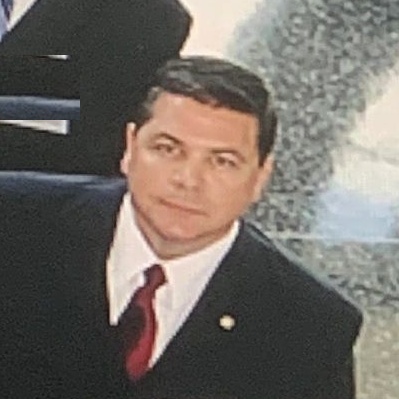
Alexander Penalta is a U.S. Navy veteran who was honorably discharged, admitted in Florida and the District of Columbia, and admitted before the United States Court of Appeals for the Armed Forces.
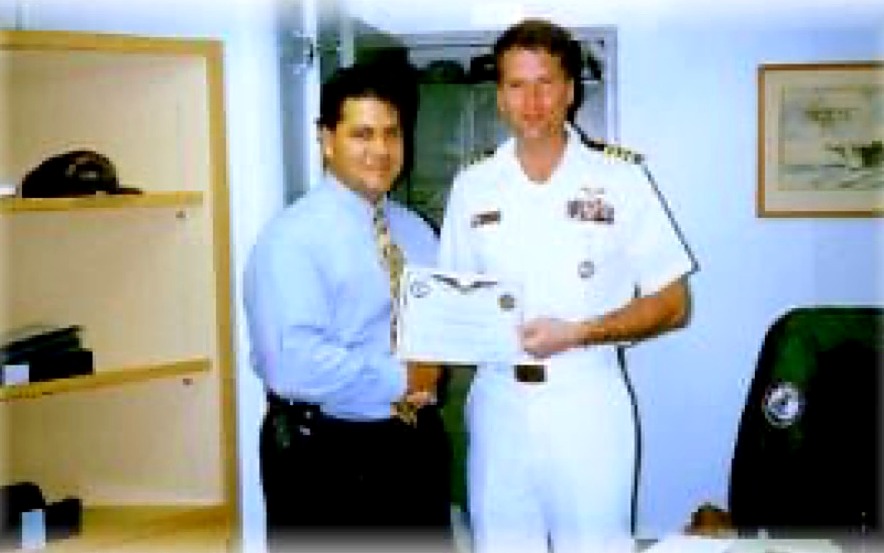
Navy service included the USS Saratoga (CV-60) and work as a military intern and prosecutor at NAS Mayport in 1991.
Client reviews
60+ Google Reviews
A 4.9-star average across our Google Business Profiles
★★★★★
“I have never met a more competent attorney than Alexander Penalta.”
Cathy Finley · Google review
★★★★★
“Amazing Law Firm! They were quick to assist and so incredibly compassionate and kind.”
Tonya Garcia · Google review
★★★★★
“Mr. Penalta is a highly skilled civil and criminal trial lawyer who cares about families.”
Thomas Malcom · Google review
Related Practice Areas
Criminal Defense
Defending business owners and families when charges threaten licenses, lenders, and payroll.
Administrative Law
DBPR licensing actions, agency investigations, and hearings for Florida professionals and businesses.
Self-Defense & Firearms
Defensive force incidents, Stand Your Ground immunity, firearm charges, and licensing disputes.
Facing Military Charges or an Investigation? Let’s Talk.
Florida matters only · $175 initial consultation · Phone, video, or in person