


Amending Florida’s Pam Rock Act: Why This New Dog Law Could Spell Disaster for Man’s Best Friend
By Alexander Penalta, Esq. and Mindy Patterson, President of The Cavalry Group
August 7, 2025
Hey there, fellow animal lovers and advocates! If you’re a dog owner in Florida, or just someone who cares about fair laws and our four-legged friends, you’ve got to hear this. The Pam Rock Act went into effect on July 1, 2025, and while it’s meant to make our communities safer after a tragic incident, it’s got some serious flaws that could lead to heartbreak for thousands of families. We’re talking about dogs being unfairly labeled as “dangerous,” mandatory confiscations, and even what we call “canine ethnic cleansing” the wiping out of entire breeds through bad legislative policy.
As representatives of The Penalta Law Firm and The Cavalry Group, an organization dedicated to protecting animal owners’ rights and fighting against overreaching regulations, we’re here to break it down for you. We’ll explain the problems with the Dunbar Bite Scale, the vague language that’s like a trap for home protection dogs, and why this law might mean the end for any pup whose teeth are just a bit too big for their own good. Stick with us, and we’ll share how we can fix this before it’s too late.
The Pam Rock Act: Good Intentions, Bad Execution
Florida’s new law amends Chapter 767 of the state statutes, ramping up rules for dogs classified as “dangerous.” Think mandatory microchipping, spaying or neutering, super-secure enclosures, and even requiring owners to carry $100,000 in liability insurance. It all stems from the heartbreaking death of Pam Rock, killed by a pack of free ranging roaming dogs – no one disputes the need for better safety measures over vicious dogs running wild in the streets. But the way this Act uses the Dunbar Bite Scale to decide a dog’s fate? That’s where things go off the rails.
If a dog bites and scores a Level 5 or higher on this scale, it’s automatic confiscation. Sounds straightforward, right? Wrong. This setup ignores context and could sweep up innocent guardians of our homes.
Why the Dunbar Bite Scale is a Dangerous Tool for Lawmakers
Developed back in the 1980s by vet Dr. Ian Dunbar, this scale rates bites from 1 (just aggressive posturing, no contact) to 6 (fatal attack). Here’s a quick breakdown:
| Level | What It Means | Injury Level | What Happens Under the Act |
|——- |————— |————– |————————- |
| 1 | Snapping or growling,
no touch | None | Might trigger a look-see |
| 2 | Teeth touch skin,
no break | Bruising | Same as above |
| 3 | One to four shallow
punctures | Moderate | Could get labeled dangerous |
| 4 | Deep punctures with
tearing | Severe | Serious trouble brewing |
| 5 | Multiple deep bites,
maybe shaking | Very severe | Bye-bye dog – mandatory
confiscation/euthanasia |
| 6 | The bite kills | Death | certain euthanasia |
On paper, it seems like a smart way to measure severity. But in practice? It’s riddled with problems.
It’s Way Too Subjective
Who decides if a wound is “deep” enough for Level 5? All animal bites will involve at least 4 punctures because of the upper and lower teeth. An indoctrinated animal control officer on a bad day? Government Animal Shelter Staff members brainwashed by animal rights groups like HSUS, ASPCA, PETA and others who have a financial business interest or an ideological interest in killing all animals kept under human care. Studies show that different people rate the same bite differently – sometimes by as much as 30%. No standard forensic rules mean your dog’s life could hang on someone’s gut feeling. The likelihood that your dog’s case will be evaluated by a forensic veterinarian are zero. You will also not be allowed to request a temperament assessment of your dog even if you pay for the assessment.
It Ignores Why the Bite Happened
Picture this: Your German Shepherd spots a burglar breaking in and does what it’s trained to do – protect your family. That bite might save lives, but if it’s deep (hello, big dog teeth), it’s Level 5, and your hero dog gets hauled away. The law talks about “unprovoked” attacks, but what counts as provoked? It’s not clear, and that blindness to context puts every home protection dog at risk.
Big Teeth? Big Problems
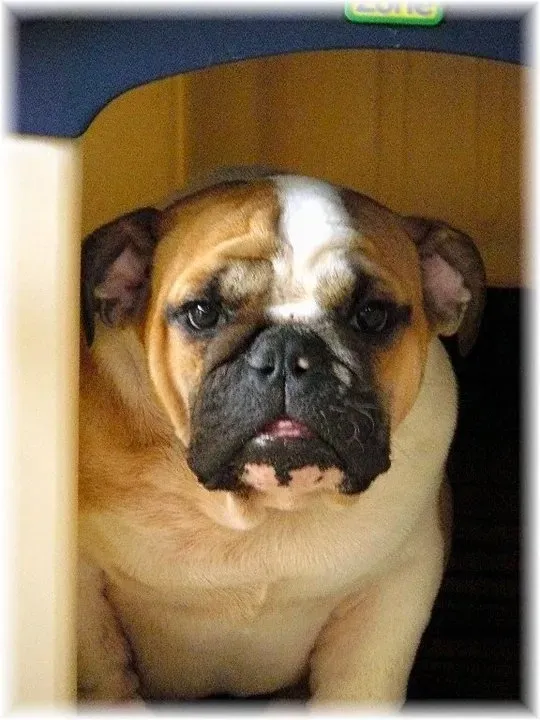
Breeds like German Shepherds, Doberman Pinschers, Rottweilers, Mastiffs, or Pit Bulls have naturally larger teeth and stronger jaws. Even a quick, defensive nip from a smaller breed like an English or French Bulldog can create a “deep puncture” that hits Level 5. Suddenly, tooth size is a death sentence. It’s not about aggression; it’s about anatomy. This bias hits working breeds hardest – the very dogs we rely on for security. The sponsors of the July 1, 2025, Trojan Horse legislation have revived the laws against Breed Specific Legislation (BSL) once held unconstitutional in 2023 in Florida. Unconstitutional and unlawful BSL has been repackaged by the ideologues who despise dog owners and private ownership of protection dogs.
Vague Words That Trap Good Dogs
The Act throws around terms like “menacing fashion” or “dangerous propensities.” What does that even mean? A dog barking at a stranger could be seen as menacing if the officer doesn’t like the breed. For home protection dogs…think Dobermans or Bullmastiffs trained to guard…this is a nightmare. Their job is to look intimidating! Combine that with the bite scale, and you’ve got a recipe for overzealous prosecution of your dog, where one complaint or incident leads straight to the pound, solitary confinement, mistreatment and mandatory death.
Legal experts agree: Vague laws like this lead to arbitrary decisions, often fueled by breed stereotypes and ideological zealots. It’s not fair, and it’s not effective.
The Dark Side: Canine Ethnic Cleansing and Needless Deaths
We don’t use “canine ethnic cleansing” lightly. It’s a term that captures the horror of what has happened in Florida (and other jurisdictions), beginning July 1, 2025. This law, though not naming breeds, will hit any dog on this list of breeds larger than a teacup:
1. English Mastiff
2. Boerboel
3. St. Bernard
4. Great Dane
5. Leonberger
6. Neapolitan Mastiff
7. Tibetan Mastiff
8. Dogue de Bordeaux
9. Great Pyrenees
10. Newfoundland
11. Anatolian Shepherd Dog
12. Black Russian Terrier
13. Greater Swiss Mountain Dog
14. Bullmastiff
15. Komondor
16. Kuvasz
17. Irish Wolfhound
18. Bernese Mountain Dog
19. Cane Corso
20. Dogo Argentino
21. Rottweiler
22. Akita (American)
23. Akita (Japanese)
24. Bouvier des Flandres
25. Old English Sheepdog
26. Bloodhound
27. Briard
28. Otterhound
29. Scottish Deerhound
30. Borzoi
31. German Shepherd Dog
32. Doberman Pinscher
33. Alaskan Malamute
34. Weimaraner
35. Giant Schnauzer
36. Black and Tan Coonhound
37. Bracco Italiano
38. Chinook
39. Retriever (Curly-Coated)
40. Beauceron
41. Rhodesian Ridgeback
42. Clumber Spaniel
43. Spinone Italiano
44. Labrador Retriever
45. Golden Retriever
46. English Setter
47. Gordon Setter
48. Belgian Malinois
49. Belgian Sheepdog
50. Belgian Tervuren
51. Collie (Rough/Smooth)
52. German Shorthaired Pointer
53. German Wirehaired Pointer
54. Airedale Terrier
55. American Foxhound
56. American Staffordshire Terrier
57. Berger Picard
58. Bull Terrier
59. Chow Chow
60. Dalmatian
61. Greyhound
62. Flat-Coated Retriever
63. Irish Setter
64. Treeing Walker Coonhound
65. Wirehaired Pointing Griffon
66. Irish Water Spaniel
67. Australian Shepherd
68. Basset Hound
69. Samoyed
70. Saluki
71. Portuguese Water Dog
72. Siberian Husky
73. Vizsla
74. Wirehaired Vizsla
75. Afghan Hound
76. Chinese Shar-Pei
77. English Foxhound
78. Harrier
79. Plott Hound
80. Irish Red and White Setter
81. Azawakh
82. Bearded Collie
83. Border Collie
84. Canaan Dog
85. Norwegian Elkhound
86. Pharaoh Hound
87. Welsh Springer Spaniel
88. Australian Cattle Dog
89. Bulldog
90. Ibizan Hound
91. Nova Scotia Duck Tolling Retriever
92. Sloughi
93. English Springer Spaniel
94. Field Spaniel
95. Standard Schnauzer
96. Spanish Water Dog
97. German Pinscher
98. Grand Basset Griffon Vendéen
99. Keeshond
100. Skye Terrier
101. Sussex Spaniel
102. Brittany
103. Glen of Imaal Terrier
104. Kerry Blue Terrier
105. Miniature American Shepherd
106. Norwegian Buhund
107. Petit Basset Griffon Vendéen
108. Soft Coated Wheaten Terrier
109. Boykin Spaniel
110. Cardigan Welsh Corgi
111. Staffordshire Bull Terrier
112. Lagotto Romagnolo
113. Swedish Vallhund
114. English Cocker Spaniel
115. Dachshund (Standard)
116. Cocker Spaniel (American)
117. Icelandic Sheepdog
118. Nederlandse Kooikerhondje
119. Norwegian Lundehund
120. Pembroke Welsh Corgi
121. Pyrenean Shepherd
122. Tibetan Terrier
123. Mudi
124. Pumi
125. Miniature Bull Terrier
126. Irish Terrier
127. Cirneco dell’Etna
128. Boston Terrier
129. Rat Terrier
130. Shetland Sheepdog
131. Basenji
132. Cesky Terrier
133. Dandie Dinmont Terrier
134. Sealyham Terrier
135. Bedlington Terrier
136. Shiba Inu
137. Scottish Terrier
138. Australian Terrier
139. Miniature Schnauzer
140. Welsh Terrier
141. West Highland White Terrier
142. Beagle
143. Bichon Frise
144. Cavalier King Charles Spaniel
145. Lhasa Apso
146. Lakeland Terrier
147. Parson Russell Terrier
148. American Hairless Terrier
149. Schipperke
150. Shih Tzu
151. Border Terrier
152. Coton de Tulear
153. Lowchen
154. Russell Terrier
155. Tibetan Spaniel
156. Xoloitzcuintli (Miniature)
157. Cairn Terrier
158. Italian Greyhound
159. Pekingese
160. Havanese
161. Portuguese Podengo Pequeno
162. Chinese Crested
163. Norfolk Terrier
164. Norwich Terrier
165. Japanese Chin
166. Manchester Terrier (Toy)
167. Affenpinscher
168. American Eskimo Dog (Toy)
169. Brussels Griffon
170. Miniature Pinscher
171. Papillon
172. Silky Terrier
173. Toy Fox Terrier
174. Biewer Terrier
175. Pomeranian
176. Yorkshire Terrier
177. Chihuahua
178. Maltese
179. Caucasian Ovcharka
180. Central Asian Shepherd
181. Kangal Shepherd Dog
182. Tornjak
183. Sarplaninac
184. Karakachan
185. Tosa Inu
186. Estrela Mountain Dog
187. Spanish Mastiff
188. Pyrenean Mastiff
189. Fila Brasileiro
190. Broholmer
191. Rafeiro do Alentejo
192. Castro Laboreiro Dog
193. Karst Shepherd
194. Maremma Sheepdog
195. Polish Tatra Sheepdog
196. Appenzeller Sennenhund
197. Entlebucher Mountain Dog
198. Dutch Shepherd
199. Bavarian Mountain Hound
200. Puli
201. Slovensky Cuvac
202. Schapendoes
203. Bergamasco Shepherd
204. Catalan Sheepdog
205. Kintamani Bali Dog
206. Sulimov Dog
207. Danish-Swedish Farmdog
208. Lancashire Heeler
209. Teddy Roosevelt Terrier
210. Jagdterrier
211. Patterdale Terrier
212. Volpino Italiano
213. Russian Toy
The working dogs and protection dog breeds will be hit the hardest. Why? They’re already stereotyped as aggressive, making up 60-70% of severe bite reports in Florida, not because they’re meaner, but because of bias in reporting and enforcement.
Here’s how it plays out:
Mass Confiscations and Euthanasia: Level 5+ means impoundment, and if you can’t afford the insurance or enclosure upgrades? Your dog dies. Florida shelters already euthanize over 20,000 dogs a year. This will skyrocket.
Breeding Bans in Disguise: Mandatory spaying/neutering for “dangerous” dogs means fewer of these breeds over time. It’s like slowly erasing them from existence. It’s a form of government mandated extinction.
Hitting the Vulnerable Hardest: These breeds are popular in low-income and minority communities. The law’s costs (insurance, etc.) make ownership impossible, turning pet ownership into a class issue. It’s like racial profiling, but for dogs and it extends to their owners.
And remember those big teeth? Any Florida pet with jaws that can make a deep cut even in self-defense is at risk. One bite, no matter the reason, and it’s game over. This isn’t safety; it’s a purge. Even though the law provides for two statutory defenses, it will be up to you to hire counsel to assert those defenses in a hearing. Government bureaucrats will always cover themselves under the guise of “public safety”. They will simply ignore the fact that your dog was defending itself, your home or your family member.
Time to Fight Back: Our Proposed Fixes
At The Cavalry Group, we’re not just complaining – we’re advocating for change. Here’s what Florida lawmakers need to do to amend the Pam Rock Act:
Add Context to Bites: Exempt defensive bites on your property if there’s proof (like security footage) of a threat.
Raise the Bar for Confiscation: Make it only for Level 6, and require a judge’s review plus a pro trainer’s temperament assessment for Level 5.
Focus on Rehab, Not Death: Fund programs to train and fix behaviors instead of just impounding dogs and placing them in solitary confinement and doggie death row. The law allows for rehabilitation of the most violent and evil humans yet the July 1, 2025, provides no options for heroic acts by dogs protecting the home and your family.
Clear Up the Fuzzy Language: Define terms like “menacing” with real examples, and train officers to avoid breed bias.
Mandatory Fairness Training: Ensure enforcers get educated on unbiased evaluations, maybe with vet input.
These changes keep people safe while saving dogs’ lives.
Join the Fight. YOUR Dog Could Be Next!
Florida, we can do better. The Pam Rock Act honors a victim but at the cost of countless innocents, both human and canine. If you’re fired up, sign petitions, contact your legislators, and support groups like ours at The Cavalry Group. Let’s amend this law before it leads to a statewide tragedy.
What do you think? Share your stories with the Cavalry Group www.thecavalrygroup.com and join the fight today. Together, we can protect our furry family members.
Alexander Penalta, Esq., is a legal expert in animal welfare law, and Mindy Patterson leads advocacy efforts at The Cavalry Group, a national organization that monitors injustices against working animals, fighting for property rights and responsible animal ownership.