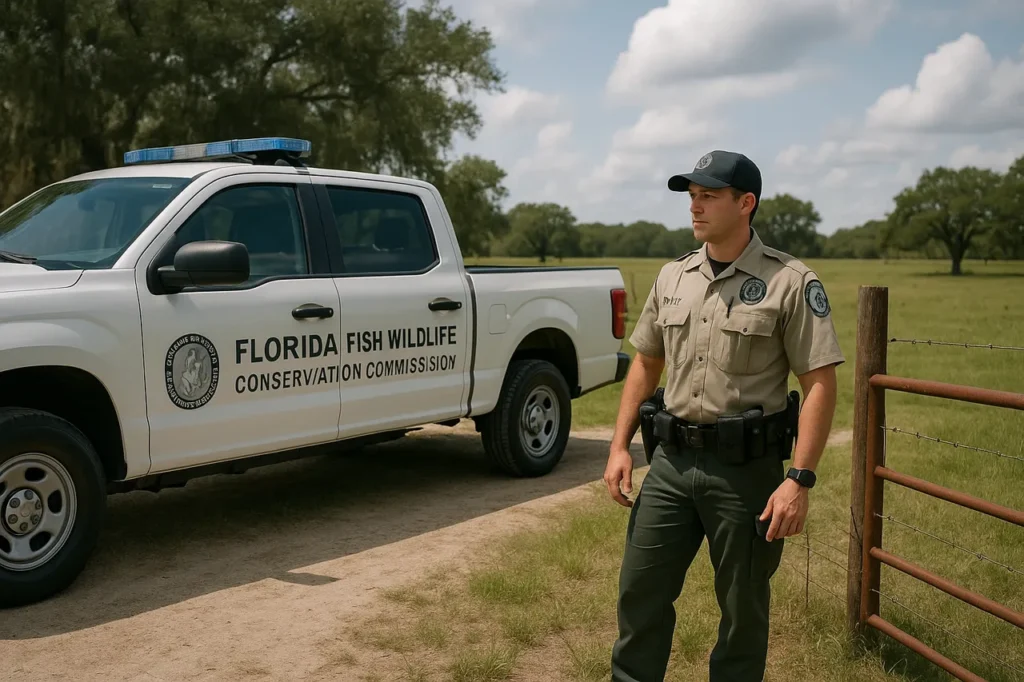
Cat disputes in Florida often look “smaller” than livestock or kennel cases, until animals are trapped, held, or labeled as abandoned. Indoor/outdoor debates, TNR colony conflicts, multi-cat households, and breeder catteries all draw animal-control attention. Owners and caretakers deserve process, not a presumption that removal is the default solution.
Owner-defense tone applies here: caretakers, breeders, and facility operators should not be steamrolled by complaint-driven enforcement or NGO narratives that treat every multi-cat home as a rescue failure. Results vary by county rules and facts. No outcome is guaranteed.
Common cat-related flashpoints
Florida animal-control files involving cats often start with one of these patterns:
- Neighbor complaints about roaming, odor, or numbers of animals
- Trap-neuter-return (TNR) colony disputes with municipalities, counties, or HOAs
- Seizure or hold after illness photos circulate online without veterinary context
- Breeder and cattery inspections that escalate from paperwork questions to custody threats
- “Abandonment” labels when owners are hospitalized, traveling, evacuating for storms, or mid-relocation
- Disputes between landlords and tenants over cats kept in rental units
Cats move across property lines easily, which invites conflicting stories. Seasoned counsel separates ordinance language from activist preference and from neighbor grudges dressed up as welfare concern.
See Animal Law for the firm’s animal practice framework. Enterprise-scale breeding or facility matters may also connect to Equine & Agricultural Animals where multi-animal operations are involved. Alexander Penalta, Esq., Chief Litigation Attorney and Counselor at Law, serves as Chief Litigation Counsel to The Cavalry Group (thecavalrygroup.com); that affiliation is stated factually for animal-enterprise context.
What animal control can (and cannot) skip
Local rules differ across Florida jurisdictions. As a practical matter, owners should push for:
- Clear written allegations, not only verbal summaries
- Identification of the authorizing ordinance or statute
- Notice before permanent disposition or transfer
- Access to reclaim, bonding, or hearing procedures where available
- Independent veterinary input when condition or “neglect” is disputed
“Consent” forms deserve skepticism. Signing to “help the cats get care” can extinguish ownership faster than a contested hearing. If criminal neglect language appears alongside civil custody talk, review Criminal Defense for Business Owners in parallel with the animal file.
Colony caretakers vs. property owners
TNR caretakers and landowners are not always aligned. Disputes can involve trespass, feeding bans, trapping permissions, and public-nuisance ordinances. A tailored approach asks: Who has possessory interest in which animals? Who has municipal permission? What written policies exist, and were they followed?
Documentation that helps in colony and household cases:
- Veterinary and sterilization records for managed colonies
- Feeding schedules and caregiver agreements
- HOA, city, or county correspondence
- Photos showing colony or household condition over time, not one viral frame
- Trap logs and release locations where relevant
- Proof of ownership for indoor cats (microchips, vet records, purchase papers)
Catteries and multi-cat households
Dedicated breeders and licensed catteries should treat inspections like any other regulated business visit: know the permit conditions, limit consent to the scope required, and preserve records. Practice-focused counsel can coordinate licensing defense through Administrative Law when permits are threatened.
Contract issues with kitten buyers, stud agreements, or co-ownership arrangements fall under Contract & Business Law. Premises issues at a cattery open to visitors may also touch Property & Liability.
Counseling consult, not free advice over email
This firm does not invite email or contact-form intake for these matters. Telephone intake keeps the facts moving toward a paid counseling session where options are scoped honestly, risks, timelines, and whether the immediate priority is reclaim, hearing, negotiation, or parallel civil claims.
Ava, our Super Intelligence intake assistant and team member. Advanced technology helps rapidly organize facts so Alexander Penalta, Esq., Chief Litigation Attorney and Counselor at Law, can counsel you and prepare to prosecute or defend. Ava does not replace the human attorney.Schedule a paid consultation. Results vary; past results do not guarantee future outcomes.
Related: Animal Law · Administrative Law · Why a Paid Consultation
Sources and related reading: For related legal representation, see the firm’s Florida animal-law counsel. The Florida’s animal-removal and distress procedures supplies relevant primary-source background. Specific rights and deadlines depend on the applicable facts and governing law.