


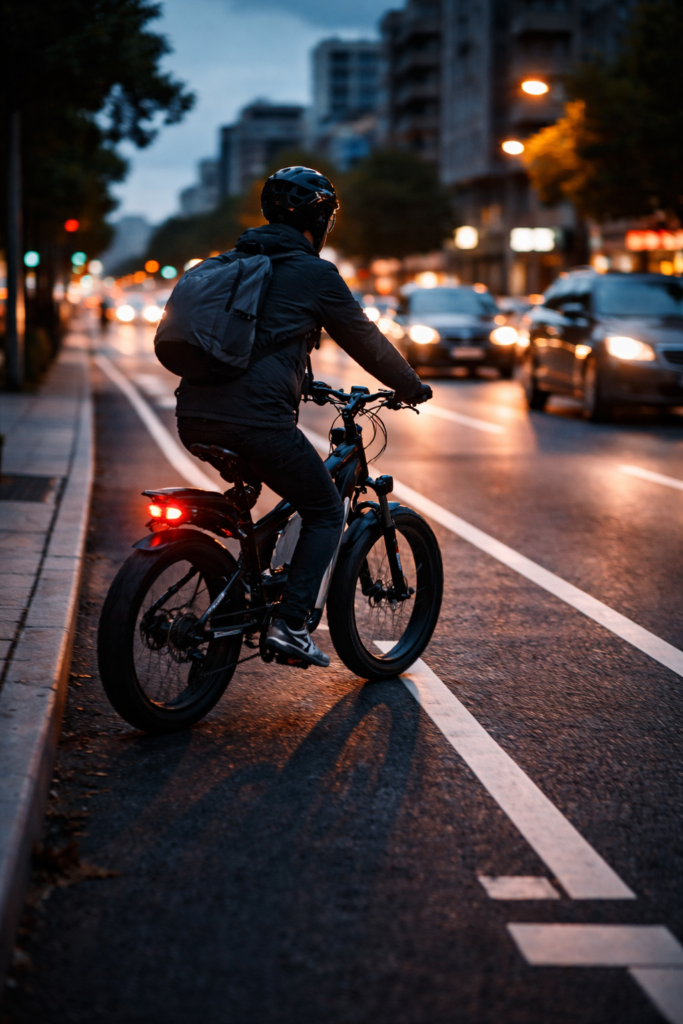
Florida’s E-Bike Boom: Rising Injuries, Legal Risks, and What Riders Need to Know
Electric bicycles (“e-bikes”) have rapidly grown in popularity across Florida. Marketed as eco-friendly, affordable, and convenient, e-bikes offer increased mobility for commuters, students, and families. However, as adoption accelerates, hospitals and law-enforcement agencies are reporting a sharp rise in serious injuries—particularly among minors.
This trend raises important public-safety and legal questions: Are riders adequately protected? Are manufacturers and municipalities meeting their obligations? And do current laws keep pace with the risks?
Rising E-Bike Injuries in Florida
Medical providers across the state report a significant increase in e-bike-related trauma:
- Jacksonville: Physicians at Wolfson Children’s Hospital have reported a dramatic year-over-year rise in pediatric e-bike and e-scooter injuries, with projections indicating continued growth.
- Palm Beach County: Local trauma centers have reported more than a doubling of e-bike injury admissions within a single year, according to regional media coverage.
- Statewide trends: Florida crash data and hospital records show tens of thousands of e-bike-related incidents over recent years, including a disproportionate increase in injuries involving children and teenagers.
- National context: Across the United States, emergency departments have reported that e-bike injuries are increasing at a rate far exceeding that of traditional bicycle injuries—suggesting a broader public-health concern rather than isolated local anomalies.
While e-bikes are often perceived as safer or easier to operate, their higher speeds and heavier frames substantially increase injury severity when crashes occur.
Common Causes of E-Bike Accidents
E-bike crashes in Florida frequently involve a combination of rider vulnerability and environmental risk, including:
- Motor-vehicle collisions: Drivers often misjudge e-bike speed or fail to yield, particularly at intersections.
- Roadway hazards: Poor pavement conditions, debris, and the absence of dedicated bike lanes contribute to loss of control.
- “Dooring” incidents: Riders are struck by suddenly opened car doors in areas with parallel parking.
- Speed differentials: Higher assisted speeds reduce reaction time and increase impact forces, especially for inexperienced riders.
Florida E-Bike Laws and Compliance Issues
Florida law treats most e-bikes as electric-assist bicycles, but legal compliance depends on the bike’s classification and use:
- Speed and classification:
- Class 1 and Class 2 e-bikes provide assistance up to 20 mph.
- Class 3 e-bikes may assist up to 28 mph but are subject to additional restrictions.
- Age and helmet requirements:
- Minors face helmet mandates, and certain higher-speed classifications impose minimum age requirements.
- Where e-bikes may be ridden:
- E-bikes are generally permitted on roadways and bike lanes, but sidewalk use may be restricted by local ordinance.
- Illegal modifications:
- E-bikes that exceed statutory speed limits, lack functional pedals, or operate as throttle-only vehicles may be reclassified as motor vehicles—triggering licensing, registration, and insurance requirements.
- Visibility rules:
- Night and low-light operation requires front lighting and rear reflectors or lights visible from significant distances.
Failure to comply with these rules can affect both safety and legal liability following a crash.
The Human Cost: Injury Severity
Hospitals report that e-bike injuries are often more severe than traditional bicycle injuries due to speed and weight. Common outcomes include:
- Traumatic brain injuries and intracranial bleeding
- Facial and skull fractures
- Spinal cord injuries
- Internal organ damage
- Complex fractures requiring surgery
Children are particularly vulnerable, as they may lack the strength, judgment, or protective equipment needed to manage high-speed impacts.
Legal Implications: Liability and Accountability
As e-bike injuries rise, courts are increasingly asked to evaluate responsibility among multiple parties:
Product Liability
Under established product-liability principles, manufacturers may be held strictly liable for injuries caused by unreasonably dangerous products—particularly where bikes lack adequate safety features, warnings, or age-appropriate instructions.
Negligence and Infrastructure
Municipalities may face claims for failing to maintain safe road conditions, regulate e-bike use appropriately, or adapt infrastructure to foreseeable risks posed by higher-speed bicycles.
Shared Fault
Many cases involve complex fault allocation among riders, drivers, manufacturers, and governmental entities—making early legal analysis critical.
Conclusion: Safety, Accountability, and the Path Forward
E-bikes offer real benefits, but Florida’s injury data makes one thing clear: rapid adoption without adequate safeguards carries serious consequences.
Key steps forward include:
- Riders: Use helmets and visibility gear, follow traffic laws, avoid illegal modifications, and ride defensively.
- Manufacturers: Improve safety design, provide clear warnings, and communicate realistic risk—especially for younger users.
- Lawmakers and communities: Enforce existing regulations, invest in safer cycling infrastructure, and educate families about the risks to minors.
At The Penalta Law Firm, we advocate for individuals harmed by unsafe products, negligent drivers, and dangerous infrastructure. If you or a loved one has been injured in an e-bike accident, we can evaluate your case, explain your rights, and pursue accountability where it belongs.
Contact us today to discuss your situation.